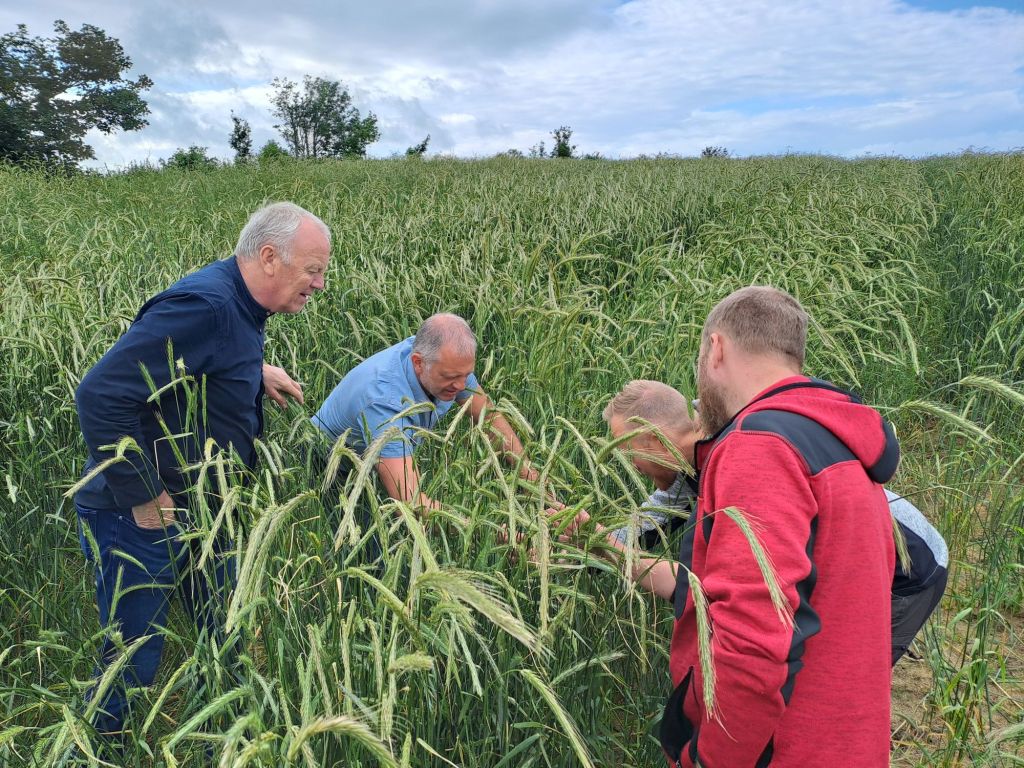
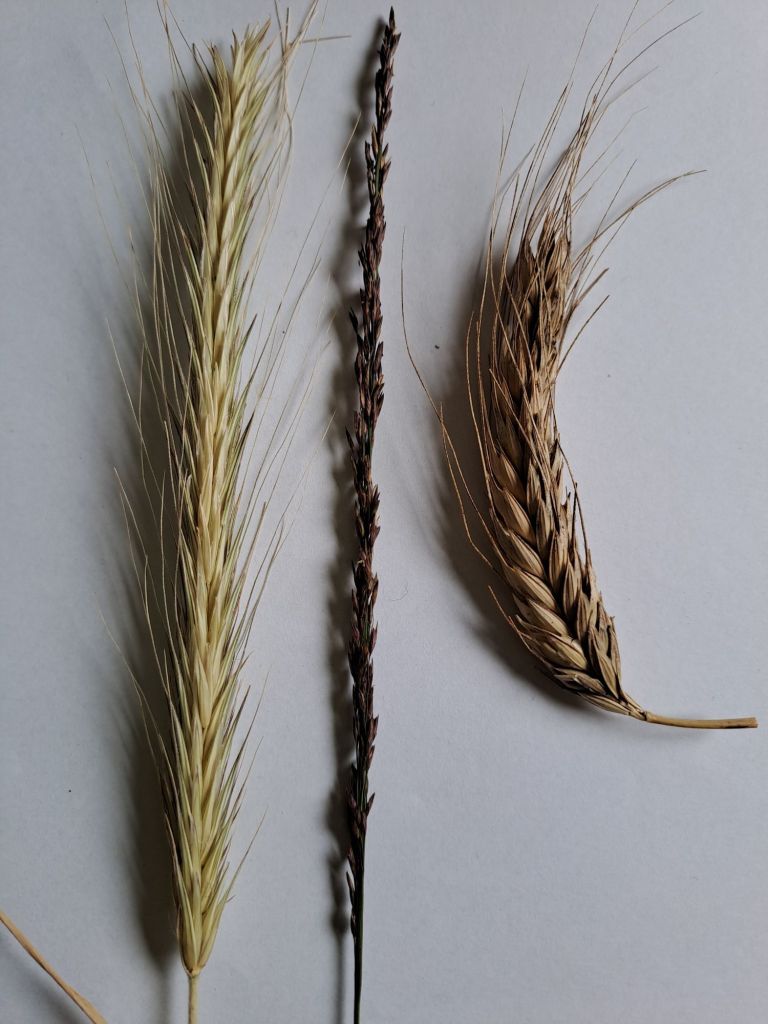
Svedjerug is an ancient variety of rye and was a brought into southeastern Norway by Finnish immigrants in the 17th century. The term svedje refers to the slash-and-burn clearing of an area, after which this grin was planted.
For a number of reasons, poor yield among them, Svedjerug came out of fashion and was long considered extinct. This was until ethnologist Per Martin Tvengsberg managed to find seven (7!) seeds on an old farmstead and started to grow it again.
Enterprising characters like farmer Jon Lea and maltster Sverre Grimstad made malted Svedjerug available and in December 2025 the team at Berentsens Distillery in Rogaland got their hands on three tonnes. I am fortunate enough to be closely involved, so I will follow up with regular updates on flavour assessment and progress of maturation. Watch this space, as they say…
A note on rye processing:
Rye (Secale cereale) can be a difficult grain for brewers and distillers as it is notorious for its stickiness. Wort run-off and pumping can be a pain and there hair-raising stories about stuck mashes, grains getting shovelled out of the mash tun for disposal, and substantial amounts of money being spent for nothing.
The reason being that the glucans in rye are less water soluble than barley glucans. There are ways to handle this, but this deserves a separate post. Meanwhile, if you have questions about rye (or anything else), feel free to get in touch!


 Create Spirits
Leave a comment